Views: 3 Author: Site Editor Publish Time: 2026-02-12 Origin: Site
Aspect | Details |
|---|---|
Safety Measures | Thick walls, lead curtains, and yearly testing for all scanners |
Radiation Level | Much lower than normal natural radiation |
Public Safety Focus | Strict TSA and FDA rules keep passengers safe |
X-ray baggage scanners use a small amount of radiation. This is much less than what you get from dental x-rays or long airplane rides. There are strong safety rules for these scanners. Thick walls and regular checks keep people safe from bad radiation. Scanners help find dangerous things fast and easily. They help security stop threats. Scanners only show the shape of bags. They do not show your personal stuff. The pictures are not saved or shared. You can feel safe when you travel. X-ray baggage scanners are made to protect your safety, health, and privacy.
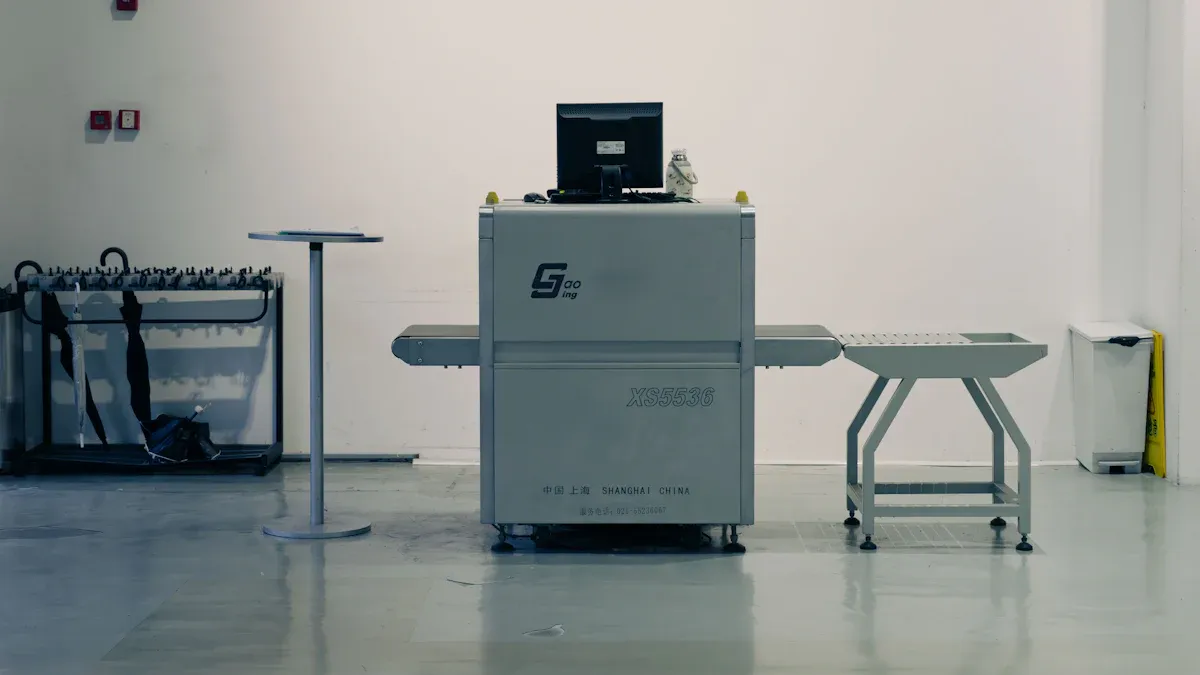
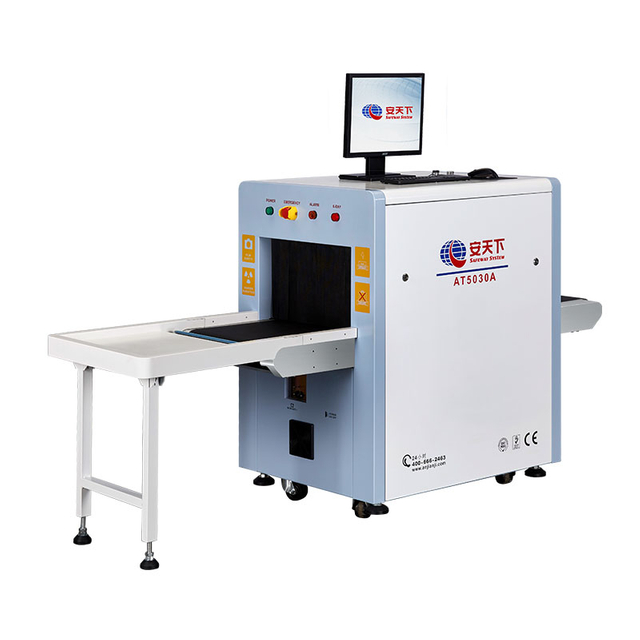
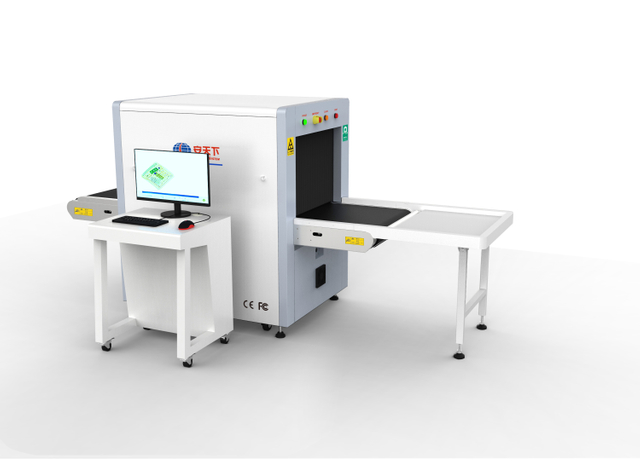
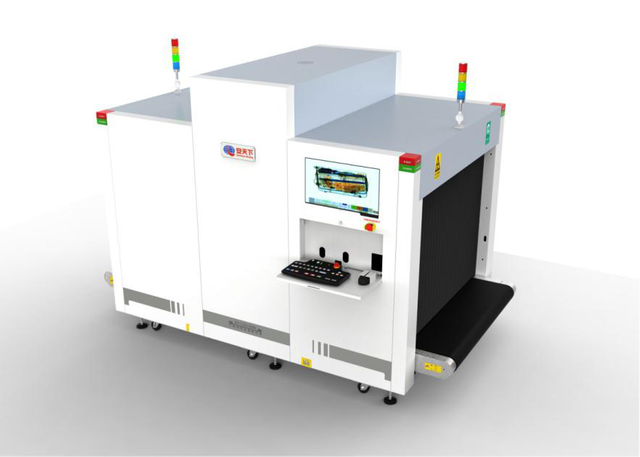
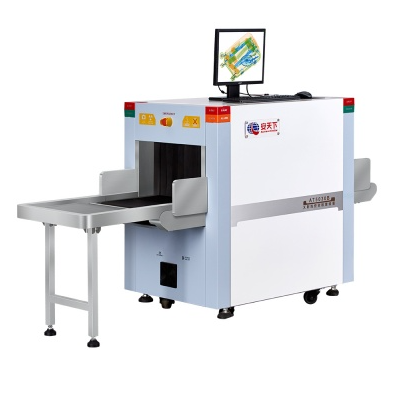
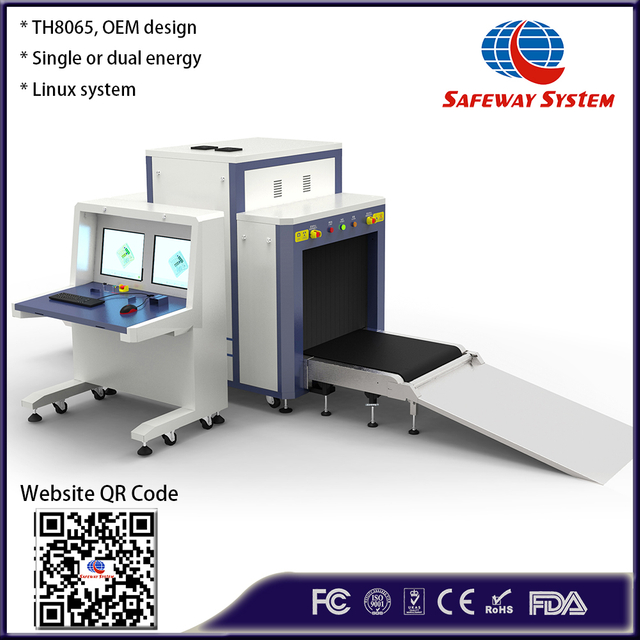
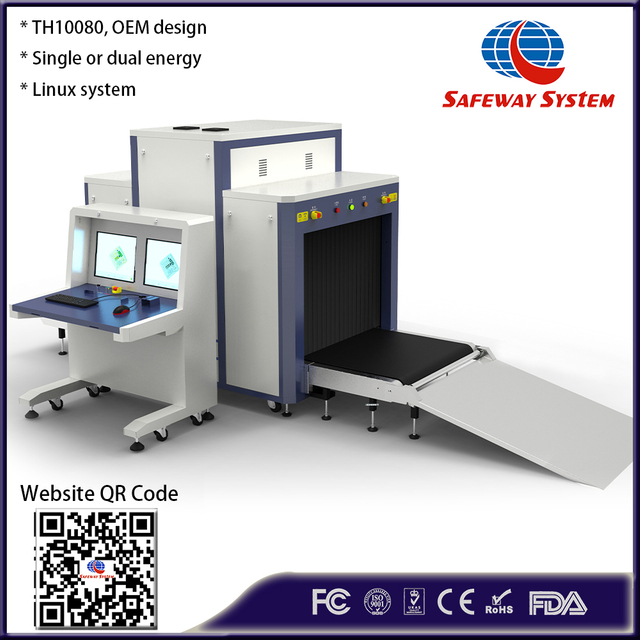
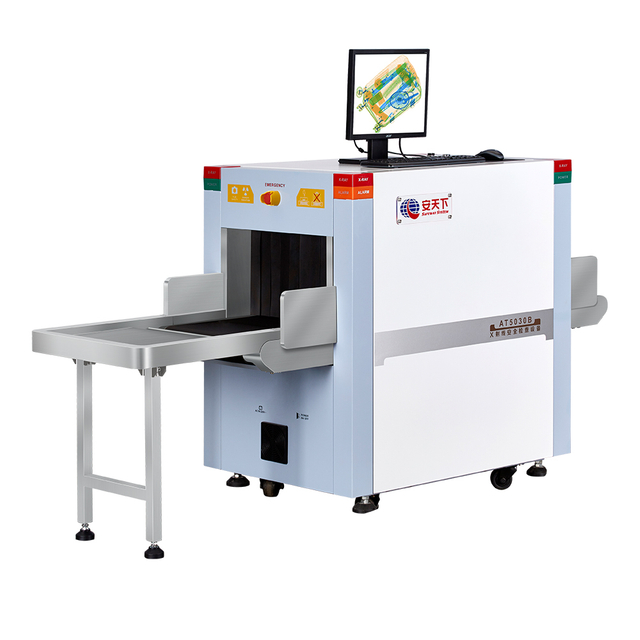
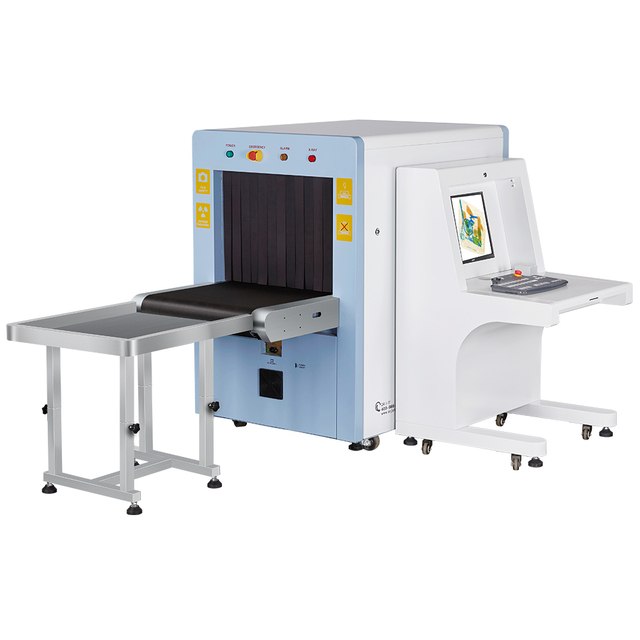
When you go to the airport, you see x-ray baggage scanners. These machines help keep everyone safe by checking bags for dangerous things. X-ray technology lets security see inside your bag without putting you in danger. The scanner sends a small amount of x-ray through your bag. Different things inside your bag block x-ray in different ways. Metal blocks more x-ray and looks darker on the screen. Clothes and plastic let more x-ray pass and look lighter.
X-ray baggage scanners use how things block x-ray to make clear pictures.
The x-ray generator gives off only a tiny, safe amount of x-ray for each scan.
Digital detectors inside the scanner catch the x-ray that goes through your bag and turn it into a picture.
Security officers look at these pictures to find threats and keep everyone safe.
This helps airport security check bags quickly and correctly. You stay safe because dangerous items get found before they can hurt anyone.
You do not have to worry about radiation from x-ray baggage scanners. The machines have strong shields built in. Thick walls and lead curtains keep x-ray from getting out. Only your bag goes inside the machine, not you. This keeps passengers safe and stops radiation from reaching people in the airport.
Note: The TSA and FDA have strict rules and test the scanners often to make sure they are safe for everyone. These groups check the machines a lot to keep public safety as the main goal.
You can trust that x-ray baggage scanners use smart technology, strong safety parts, and careful checks to protect you and everyone at the airport.
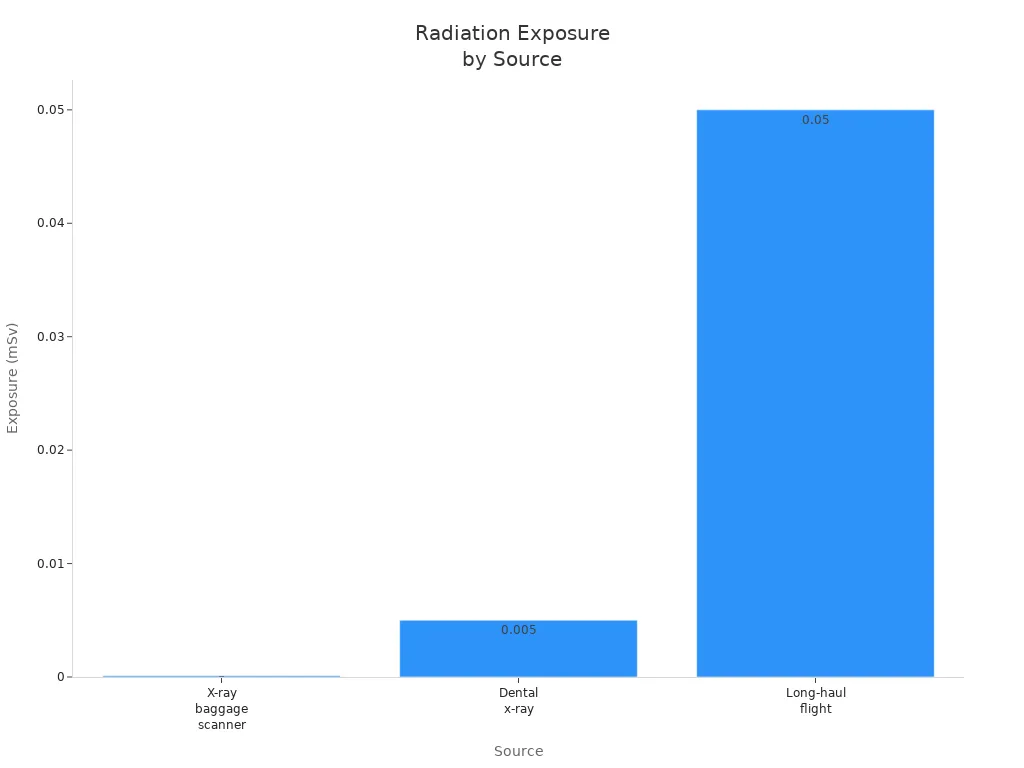
You might wonder how much radiation comes from x-ray baggage scanners. The answer is easy to understand. These scanners use a very tiny amount of x-ray. You get less radiation from a scan than from many things you do every day. For example, a dental x-ray gives you more radiation. Flying on a plane for a long time also gives you more. Even eating a banana gives you a little bit of natural radiation.
Here is a table that shows how x-ray baggage scanners compare to other common sources:
Source | Radiation Exposure (mSv) |
|---|---|
X-ray baggage scanner | 0.0001 |
Dental x-ray | 0.005 |
Eating half a banana | Less than 0.0001 |
Long-haul flight | 0.05 |
You can see that x-ray baggage scanners give off much less radiation than a dental x-ray or a long flight. You do not need to worry about your health when you walk by these scanners at the airport. The amount is so small that it does not hurt your body. This low level keeps passengers safe and helps find dangerous items.
You can trust that airport security follows strong rules to keep you safe. The TSA and FDA set strict limits for how much radiation scanners can give off. These rules make sure you get a very small dose from each scan. The yearly limit is much lower than what could ever hurt you. Here is a table that shows the limits:
Description | Limit (nSv) |
|---|---|
Dose per screening | 250 |
Annual dose limit (12 months) | 250,000 |
Recommended by NCRP | Yes |
Airport workers do many things to protect you. They register every x-ray device. They pick a Facility Radiation Safety Officer to watch over the program. They make a Radiation Protection Program and check it every year. They test the safety locks and measure radiation around the scanners. These checks happen at least once a year.
Note: Regular checks and safety tests show that safety is very important. You can feel sure that the scanners work right and do not put you in danger.
Airport leaders in other countries also follow world rules. These rules keep people safe and respect their freedom. New machines, like CT scanners, help find threats better. The TSA only lets approved scanners and ways to check bags be used. This makes sure that finding threats works well and passengers stay safe.
You can see that x-ray baggage scanners keep you safe with smart design, strong rules, and regular checks. Because of this, you can travel without worry.
You might worry if x-ray baggage scanners can hurt your health. Scientists have checked these machines for a long time. Studies show that the health risk from x-ray baggage scanners is very low. The amount of x-ray you get is much less than from other things, like dental x-rays or flying in a plane. For example, backscatter x-ray scanners give off only 0.03 to 0.1 microsieverts each scan. This is about the same as a few minutes of natural background radiation you get every day.
Health experts say that even with millions of people traveling, the chance of getting cancer from these scans is almost zero. Out of 750 million trips, only a few extra cancer cases might happen, compared to millions of cancers from other reasons.
You might also worry if you are pregnant or traveling with kids. Health groups agree that backscatter x-ray machines use very low radiation. These levels are safe for everyone, even pregnant people and children. The machines follow strict safety rules that protect sensitive groups. This shows that safety is important for all travelers.
Many people believe myths about x-ray baggage scanners. You might hear that all radiation is bad or that these scanners can hurt your health a lot. The facts show something different. Here is a table that clears up some common myths:
Myth | Fact |
|---|---|
All radiation is dangerous. | You live with natural radiation every day. It comes from the earth, space, and even some foods. This is called background radiation. |
If I get an X-ray it could affect the chance of having a healthy child. | Only very large amounts of radiation can affect fertility or future children. The main risk is cancer, but the risk from scanners is extremely small. |
New airport X-ray scanners (used on people) may be dangerous. | The extra radiation from a scan is equal to just 12 seconds of flying. This is a very small amount. |
You might also wonder how x-ray baggage scanners compare to other scanners. Backscatter x-ray scanners use ionizing radiation, but the dose is very low. Millimeter wave scanners use non-ionizing radiation, which is even safer. Experts say you would need 50 TSA scans to get the same exposure as one dental x-ray. You would need 1,000 scans to match a single chest x-ray. Most people never reach these numbers.
Tip: You do not go inside x-ray baggage scanners. Only your bags do. This means you do not get hit by the x-ray beam.
Some groups have asked questions about the safety of these scanners. They want more studies and clear answers. The Department of Homeland Security has checked the machines to make sure they are safe. So far, studies show that the scanners do not give you dangerous levels of radiation. Researchers keep working to make these machines even safer. They use new technology and smart systems to lower risks and find threats better.
You can feel sure that x-ray baggage scanners protect your health. Science, rules, and research all show a strong focus on safety.
You might think x-ray baggage scanners show your private stuff. These scanners only look for dangerous things, not your secrets. When your bag goes in, the x-ray makes a simple outline of what is inside. The screen does not show anything about you or your personal things. No one can see your clothes, books, or other private items clearly. The technology helps keep your privacy safe and lets security do their job.
Modern scanners use smart x-ray systems to show shapes and materials. They do not make pictures of people or show secret information. The way these scanners work puts your privacy first. You can feel sure your things stay private during the check.
Tip: Only your bag goes in the scanner. You do not go through the x-ray baggage scanner.
You can trust airports use strong rules with x-ray baggage scanners. These scanners follow country rules for privacy and safety. Security teams learn how to handle images and data the right way. They do not keep or share pictures from the scanners. The system deletes images right after the check. This keeps your information safe from being used wrong.
Airports also use locked computers for x-ray scanners. Only trained workers can see the pictures. They must follow strict rules to keep your privacy safe. Regular checks make sure scanners and workers follow all the rules.
Here is a quick list of privacy steps:
Scanners do not show personal images.
Images are not saved or shared.
Only trained staff can see x-ray results.
Regular checks keep the system safe.
You can travel knowing x-ray baggage scanners protect your safety and your privacy.
X-ray scanners help keep you safe at airports. Security teams use them to find many dangerous things before they cause problems. These scanners can spot lots of threats in bags. Some examples are:
Explosives like IEDs and plastic bombs
Guns and bullets hidden in luggage
Knives, blades, and sharp objects
Lithium batteries that are too hot or broken
Drugs and illegal substances hidden in bags
Hidden weapons like brass knuckles or disguised items
Liquids and gases that can catch fire
Chemical, biological, or radiological dangers
3D-printed guns or plastic weapons
X-ray scanners use smart technology to find these threats fast. Security officers can make choices in just seconds. This stops dangerous things from getting through. Checking bags by hand is not as good as using x-ray scanners. People can get tired or miss things. New AI-powered systems use deep learning to help scanners work even better and faster.
X-ray scanners make travel faster and safer for you. They check bags much quicker than people can by hand. Security officers can look at each bag in only a few seconds. CT-based scanners can check about 400 bags every hour. This helps lines move faster and you wait less.
3D imaging takes just a few more seconds but shows threats more clearly.
AI and machine learning help scanners find strange items for more checks.
Evidence Type | Description |
|---|---|
Detection Accuracy | AI-powered x-ray scanners help stop mistakes and find threats better. |
Streamlined Passenger Flow | Fast checks mean shorter lines and a better trip for you. |
Layered Security Approach | Using x-ray scanners with other systems makes airports even safer. |
You can trust x-ray scanners use the newest technology to protect you. They help security teams find threats quickly and make your airport visit safer and easier.
You can feel sure that x-ray baggage scanners are safe for you. Scientists have done many studies on how much radiation comes from these machines. Experts make sure scanners follow all health and safety rules. They also answer questions from leaders and scientists. Airports care a lot about safety, health, and privacy. You can trust your next trip will be safe and easy.
No, you do not get hurt by x-ray baggage scanners. The radiation is very low. You get more radiation from a long flight or a dental x-ray. Scientists and health experts say these scanners are safe for you.
You can travel safely if you are pregnant or with children. The scanners only scan bags, not people. The radiation does not reach you. Health groups say these machines are safe for everyone.
Airport staff see only simple shapes and outlines. They do not see your personal details.
Images do not show private information.
Staff cannot save or share pictures.
Airports check scanners at least once a year.
Safety officers test machines and measure radiation.
You can trust that airports follow strict rules to keep you safe.
 English