Views: 7 Author: Site Editor Publish Time: 2026-06-01 Origin: Site
Ever wonder how airports keep your luggage safe from threats? Baggage screening systems are key to security worldwide. They detect dangerous items and protect travelers every day.
In this post, you’ll learn what baggage screening systems are and why they matter. We’ll explore common types and how they evolved over time.
Table of Contents
Baggage screening systems come in various forms, each designed to detect threats and ensure safety efficiently. Understanding these types helps security professionals choose the right tools for their specific needs.
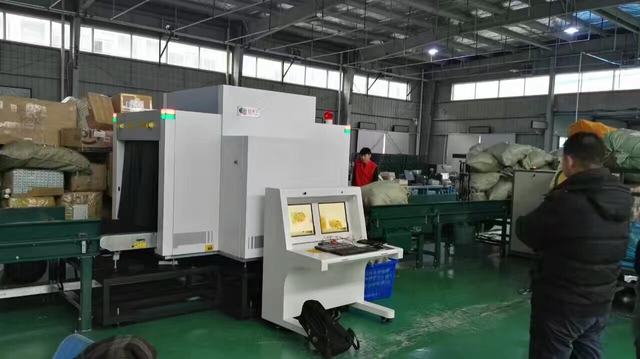
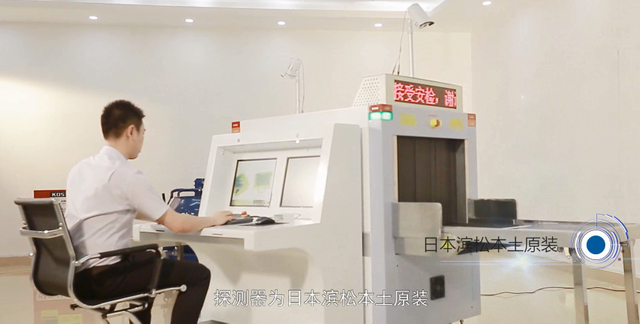
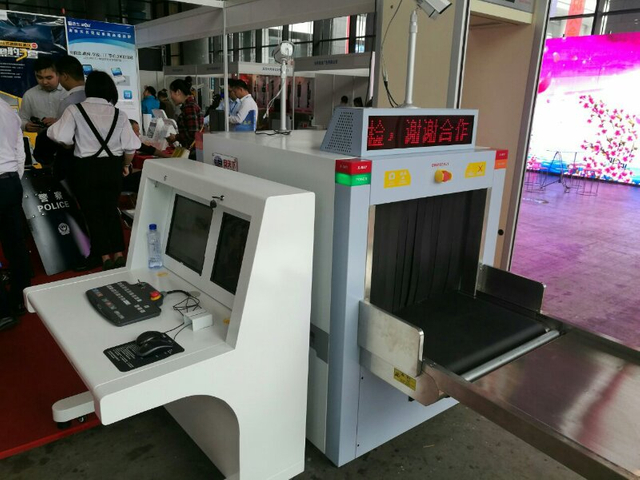
X-ray screening is the most common method used at airports and other security checkpoints. It uses X-rays to create images of the contents inside baggage. Operators analyze these images to spot suspicious items like weapons or explosives. These systems are fast and effective for detecting metallic objects and dense materials. They often come in two types:
Single-energy X-ray: Basic imaging, showing shapes and densities.
Dual-energy X-ray: Differentiates materials by color-coding organic, inorganic, and metallic items.
CT scanners use multiple X-ray images taken from different angles to produce 3D images. This technique offers a detailed view of baggage contents, allowing for better identification of threats. CT scanners support automated threat recognition software, reducing operator workload and increasing accuracy. They are increasingly used in airports for carry-on and checked luggage screening.
EDS are specialized machines designed to detect explosives inside baggage. They often use CT technology combined with chemical analysis to identify explosive substances. These systems can detect a wide range of explosive materials, including homemade devices. EDS are vital for checked baggage screening and often operate behind the scenes at airports.
Trace detection systems analyze tiny particles or vapors left on baggage surfaces. Using techniques like ion mobility spectrometry (IMS), they detect traces of explosives, narcotics, or other hazardous materials. These systems complement imaging technologies by catching threats that might be missed visually. They are commonly used in high-security areas or for random screening.
Despite advanced technology, manual inspection remains an important part of baggage screening. Security personnel physically check suspicious bags or items flagged by machines. Other methods include sniffer dogs trained to detect explosives or narcotics. Manual inspection ensures a thorough check when automated systems raise concerns or fail to provide clear results.
Note: Combining multiple screening technologies enhances threat detection and reduces false alarms, improving overall security effectiveness.
X-ray imaging uses electromagnetic waves to see inside baggage. When X-rays pass through an object, different materials absorb them differently. Dense items, like metals, block more X-rays and appear darker on the image. Softer materials, like clothing or plastics, absorb less and look lighter. Operators study these contrasts to spot threats such as weapons or explosives. Dual-energy X-rays improve this by color-coding materials—organic, inorganic, metallic—making identification easier.
Computed Tomography (CT) scanners take multiple X-ray images from many angles around the baggage. These images combine to create a 3D model of the contents. This 3D view lets operators see inside bags from all sides without opening them. It helps detect hidden objects and reduces false alarms. CT scanners often use automated software to analyze images quickly, highlighting suspicious items for further review.
Modern baggage screening systems rely on detection algorithms to assist operators. These algorithms analyze images for shapes, densities, and patterns that match known threats. Automated Threat Recognition (ATR) software flags potential dangers like guns, knives, or explosives. This reduces human error and speeds up processing. The software continuously learns from data, improving accuracy over time.
Baggage screening systems do not work alone. They integrate into broader security protocols to ensure smooth, effective operations. When a threat is detected, the system alerts operators and may trigger secondary screening or manual inspection. Data from screening machines can link to passenger information systems, enhancing risk assessment. This integration supports quick decision-making and maintains security flow at checkpoints.
Note: Combining automated detection with human expertise boosts accuracy and keeps security checkpoints efficient.
Baggage screening systems play a vital role across many security-sensitive environments. Their ability to detect threats quickly and accurately helps protect people and property. Here’s a look at key areas where these systems are widely used:
Airports are the most familiar place for baggage screening. Every passenger’s carry-on and checked luggage undergo screening before boarding. Systems like X-ray scanners and CT machines reveal hidden weapons, explosives, or contraband. Explosive Detection Systems (EDS) often scan checked bags behind the scenes. The goal is to keep flights safe while maintaining smooth passenger flow. Advanced screening reduces wait times and improves threat detection accuracy.
Train stations, bus terminals, and metro systems also use baggage screening. These hubs face risks from unattended or suspicious bags. Screening systems help identify dangerous items before they enter crowded vehicles or platforms. Portable X-ray units and trace detection tools often support security staff. This approach prevents attacks and reassures travelers.
High-security government buildings and military bases rely heavily on baggage screening. They use advanced technologies, including CT scanners and trace detection, to protect sensitive information and personnel. Screening ensures no unauthorized weapons or explosives enter restricted areas. Integration with ID verification and access control systems enhances overall security.
Concerts, sports arenas, and conference centers use baggage screening to safeguard large crowds. Security teams deploy portable X-ray machines and manual inspections at entry points. Screening helps detect weapons, explosives, or banned items that could cause harm. It also speeds up entry, reducing bottlenecks during busy events.
Tip: Tailor baggage screening technologies to each venue’s risk level and passenger volume for optimal security and efficiency.
Advanced baggage screening systems significantly improve threat detection accuracy. Technologies like CT scanners and Explosive Detection Systems identify hidden weapons, explosives, and contraband more reliably than basic X-ray machines. Automated Threat Recognition software flags suspicious items quickly, reducing human error. This means fewer dangerous items pass through checkpoints unnoticed, enhancing passenger safety. For example, 3D imaging allows security officers to view bags from all angles, making it easier to spot cleverly concealed threats.
Modern screening systems speed up the inspection process without compromising security. Automated analysis reduces the need for manual checks, so lines move faster. Dual-energy X-rays and CT scanners provide clearer images, cutting down false alarms that cause delays. Some airports report up to a 30% increase in passenger throughput after upgrading screening technology. Efficient systems help balance safety and convenience, keeping travelers satisfied while maintaining strict security standards.
False alarms waste time and resources, frustrating passengers and staff. Advanced systems use sophisticated algorithms to distinguish harmless items from real threats. For instance, dual-energy X-rays color-code materials, helping operators identify benign objects like food or electronics easily. Automated Threat Recognition software learns from past data, improving accuracy over time. This reduces unnecessary bag checks and secondary inspections, streamlining operations and lowering operational costs.
Security regulations evolve constantly to address new threats. Advanced baggage screening systems help organizations comply with strict international standards, such as those set by the International Civil Aviation Organization (ICAO) or Transportation Security Administration (TSA). These systems meet required detection capabilities and reporting protocols, ensuring legal compliance. Staying up-to-date with standards protects businesses from penalties and supports global travel security cooperation.
Tip: Regularly update screening software and hardware to maintain compliance and maximize detection effectiveness.
Despite advances, baggage screening systems face technical challenges. Some materials or cleverly concealed items can evade detection. For example, low-density explosives may appear similar to harmless objects on X-rays, causing missed threats. Certain complex shapes or overlapping items can confuse automated algorithms. Also, some systems struggle with dense or cluttered bags, reducing image clarity. These gaps mean no system guarantees 100% detection, requiring layered security approaches.
Baggage screening can raise privacy issues. Advanced imaging, especially 3D CT scans, might reveal personal belongings in detail, causing discomfort. Passengers sometimes feel uneasy about how their privacy is handled during scans. Moreover, lengthy screening processes or frequent secondary checks may frustrate travelers. Balancing thorough security with respect for privacy and smooth passenger flow remains a challenge for operators.
High-tech baggage screening systems come with significant costs. Initial purchase, installation, and integration require large investments. Maintenance also demands ongoing budgets for repairs, software updates, and calibration. Complex machines like CT scanners need specialized parts and frequent servicing. Smaller airports or venues may find these costs prohibitive, limiting access to cutting-edge technology. Budget constraints can affect system performance and longevity.
Operating advanced screening systems requires skilled personnel. Staff must learn to interpret complex images, manage software, and respond to alerts accurately. Continuous training is essential due to evolving technology and threat profiles. Without proper training, operators risk missing threats or causing unnecessary delays. Training programs add to operational costs and require time, but they are crucial for maintaining security effectiveness.
Tip: Invest in regular, comprehensive operator training and system maintenance to maximize screening accuracy and minimize downtime.
Artificial Intelligence (AI) and Machine Learning (ML) are transforming baggage screening. They analyze vast amounts of data quickly, improving threat detection accuracy. AI-powered systems learn from past scans, identifying new threat patterns automatically. This reduces false alarms and speeds up processing. Machine learning models adapt to emerging threats, helping operators stay ahead of risks. For example, AI can differentiate harmless items from dangerous ones more reliably than traditional methods. This technology also assists in prioritizing suspicious bags for manual inspection, optimizing resource use.
Imaging technology continues evolving, offering sharper, clearer baggage scans. New detectors and sensors enhance image resolution, making it easier to spot concealed items. Advanced CT scanners provide faster 3D imaging, reducing passenger wait times. Some systems now use multi-energy X-rays, offering better material discrimination. These improvements help detect low-density explosives or complex objects that older machines might miss. Enhanced imaging also supports better automated threat recognition, making security checks more reliable.
Automation is increasing in baggage screening operations. Automated systems handle routine tasks like sorting flagged bags or initiating secondary scans. This reduces human workload and error. Remote monitoring allows experts to oversee multiple checkpoints from a central location. It supports quick decision-making and expert intervention when needed. Automation also enables real-time data sharing between airports or facilities, improving overall security coordination. For example, remote diagnostics can detect system malfunctions early, preventing downtime.
Security regulations evolve alongside technology and emerging threats. Future baggage screening systems must comply with updated international standards. Agencies like TSA, ICAO, and EU regulators continuously revise requirements for detection capabilities and data handling. Manufacturers and operators must adapt systems to meet these changes promptly. Standards also push for privacy protection and passenger-friendly screening processes. Staying current with regulations ensures legal compliance and fosters trust among travelers and stakeholders.
Tip: Invest early in AI-enabled screening solutions to improve detection accuracy and adapt to evolving security threats efficiently.
Baggage screening systems are vital for detecting threats and ensuring safety in many settings. Technologies like X-ray, CT scanners, and trace detection improve accuracy and efficiency. These systems integrate with security protocols to protect passengers and property effectively. Ongoing innovation, including AI and automation, promises better detection and faster processing. Safeway Inspection System Company Limited offers advanced screening solutions that enhance security while maintaining smooth operations, providing valuable support to security professionals worldwide.
A: Baggage screening systems are security technologies used to inspect luggage for threats such as weapons, explosives, or contraband, ensuring passenger and public safety.
A: These systems use X-rays, CT scans, and detection algorithms to create images and identify suspicious items inside baggage without opening them.
A: They enhance threat detection accuracy, reduce false alarms, speed up security checks, and comply with international safety standards.
A: Costs vary widely depending on technology type, with advanced CT scanners and explosive detection systems requiring significant investment and maintenance.
A: Benefits include improved safety, operational efficiency, reduced false alarms, and compliance with regulatory requirements.
A: X-ray systems are common and fast, CT scanners provide detailed 3D images, and explosive detection systems specialize in identifying explosives.
A: Operators perform secondary screening or manual inspection to verify the threat and ensure security.
A: Regular maintenance, software updates, and operator training are essential to minimize errors and maintain accuracy.
 English