Views: 3 Author: Site Editor Publish Time: 2026-06-10 Origin: Site
Can a single energy X-ray scanner detect all threats? Or is dual energy technology the future of security? X-ray scanners are vital for safety checks worldwide. They help spot hidden dangers quickly and efficiently. In this post, you’ll learn what sets single and dual energy scanners apart. We’ll explore their uses, strengths, and which suits your security needs best.
Table of Contents
X-ray scanners operate by sending X-ray beams through objects placed on a conveyor belt. When an item enters the scanning tunnel, it triggers a sensor that activates the X-ray generator. The X-rays pass through the object and reach a detector on the other side. Different materials absorb or block X-rays differently; this variation creates a pattern that helps form an image of the object's interior.
The conveyor belt moves the object steadily through the scanner’s tunnel. This movement ensures the entire item is scanned without gaps. The sensor trigger detects when an object enters the tunnel and signals the system to start emitting X-rays. This automation helps maintain a smooth flow, reducing manual handling and speeding up the screening process.
As X-rays pass through the object, the detector captures the rays that emerge on the other side. These rays convert into electronic signals proportional to how much X-ray energy was absorbed. The scanner’s computer processes these signals to create an image displayed on a monitor. Depending on the scanner type—single or dual energy—the image may show different colors or shades, highlighting the object's density or material composition.
Note: The conveyor belt speed and sensor sensitivity significantly impact scanning accuracy and throughput during security inspections.
Single energy X-ray scanners use one level of X-ray energy to scan objects. This means the machine emits X-rays at a single energy level that passes through the item. The detector then measures how much of this energy the object absorbs or blocks. Since the scanner uses only one energy, it captures basic information about the shape and density of the object inside.
The images produced by single energy scanners are known as pseudo color images. "Pseudo" means false or simulated, so these colors don’t represent the actual materials but rather different densities. For example, denser areas might show up in blue, while less dense parts appear orange or yellow. This color coding helps operators identify suspicious shapes or objects based on their density differences but does not reveal the material type.
Single energy scanners have some clear limitations. Because they only use one energy level, they cannot differentiate materials accurately. For instance, plastic and organic materials might look similar in the image, making it harder to detect threats like explosives or drugs. Also, these scanners cannot distinguish between metals of different types or detect hidden items inside dense objects. This limitation affects security screening where precise material identification is critical.
Despite limitations, single energy scanners work well in many scenarios. They are suitable for places needing basic screening, such as offices, warehouses, or small businesses. These scanners help detect prohibited items like weapons or large contraband based on shape and density. Their simpler design also means they cost less and are easier to maintain than dual energy models. For environments where speed and cost-efficiency matter more than detailed material analysis, single energy scanners remain a practical choice.
Note: Single energy X-ray scanners provide effective shape and density detection but lack the material differentiation needed for advanced security screening.
Dual energy X-ray scanners use two different X-ray energy levels to scan objects. By emitting high and low energy X-rays simultaneously or in quick succession, the scanner captures how materials absorb these energies differently. This dual approach allows the system to analyze not only the shape and density but also the material composition of the scanned item. The result is a more detailed image that reveals what the object is made of, not just how dense it is.
Unlike single energy scanners that produce pseudo color images, dual energy scanners create true color images. These images use specific colors to represent different materials inside the object. This helps security operators quickly identify threats or prohibited items by their material type rather than guessing based on shape or density alone. True color imaging improves accuracy and speeds up decision-making during inspections.
Dual energy scanners assign colors to materials based on their X-ray absorption characteristics:
Orange: Organic materials such as clothes, food, and drugs
Green: Mixtures like plastic and rubber
Blue: Inorganic materials, mainly metals
Black: Heavy metals or objects that X-rays cannot penetrate
This color coding makes it easy to spot dangerous items like explosives or weapons hidden inside bags or packages.
Dual energy scanners offer several benefits:
Material identification: They distinguish between organic, inorganic, and mixed materials accurately.
Enhanced threat detection: They detect concealed or disguised items better than single energy scanners.
Reduced false alarms: Accurate material info lowers the chances of unnecessary manual checks.
Improved security: They meet higher security standards required in airports, government buildings, and high-risk locations.
Though dual energy scanners tend to be more expensive and complex than single energy models, their advanced capabilities justify the investment in environments needing precise security screening.
Tip: When selecting a dual energy X-ray scanner, consider the specific materials you need to detect to ensure the color coding matches your security requirements.
Single energy X-ray scanners produce pseudo color images that show object shape and density but lack detailed material info. The colors represent density variations rather than true materials, which limits accuracy. Dual energy scanners generate true color images that reveal both shape and material composition. This results in clearer, more precise images, helping operators identify threats faster and with more confidence.
Single energy scanners cannot differentiate materials well. They mainly highlight dense versus less dense areas, making it tough to tell plastic from organic substances or different metals apart. Dual energy scanners excel here by using two X-ray energies to analyze how materials absorb rays differently. This lets them categorize contents as organic, mixture, inorganic, or heavy metals, using distinctive colors. This capability greatly improves threat detection and reduces guesswork.
Single energy scanners suit environments needing basic screening, such as offices, warehouses, or small businesses. They detect weapons or large contraband based on shape and density but may miss concealed or complex threats. Dual energy scanners fit high-security settings like airports, government buildings, or critical infrastructure. Their detailed images and material identification meet stricter security standards and handle sophisticated threats better.
Single energy scanners generally cost less and have simpler designs, making them easier to maintain and operate. This suits businesses prioritizing budget and speed over detailed analysis. Dual energy scanners are more expensive and complex due to advanced hardware and software. They require skilled operators but offer greater security benefits. Choosing depends on balancing budget, security needs, and operational complexity.
Tip: Evaluate your security goals carefully—choose single energy scanners for basic, cost-effective screening and dual energy scanners when precise material detection is critical.
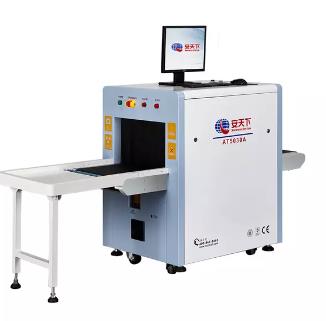
ZKTeco offers a range of single energy X-ray scanners designed for basic security screening needs. These models use single energy imaging to provide clear shape and density detection through pseudo color images. Popular models include the ZK-X5030C and ZK-X6550V, which are compact, easy to operate, and ideal for offices, warehouses, or smaller businesses. They balance cost-efficiency and reliable detection of weapons or large contraband. Their simpler design means they require less maintenance and training, making them accessible for many security setups.
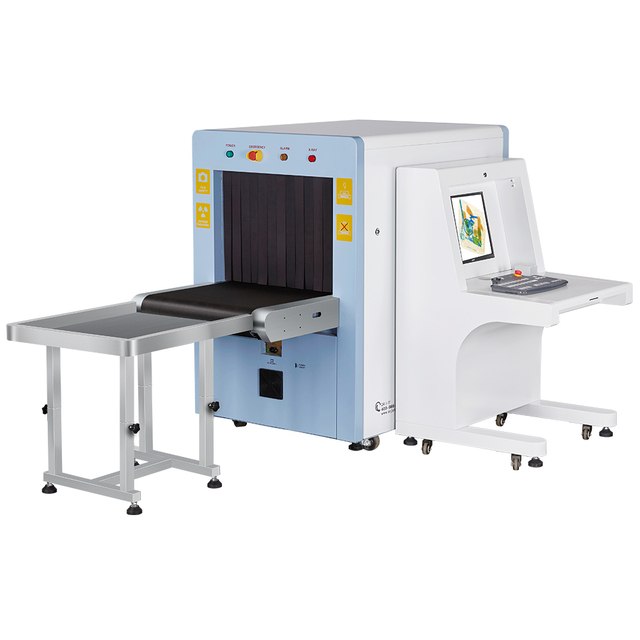
For environments demanding advanced material identification, ZKTeco’s dual energy X-ray scanners stand out. Models like the ZK-X6550D, ZK-X10080, and ZK-X100100 deliver true color imaging that differentiates organic, inorganic, and mixed materials. These scanners use color codes—orange for organics, green for mixtures, blue for metals, and black for heavy metals—to help security staff quickly identify threats. They are suited for airports, government buildings, and high-security facilities. Though more complex and costly, they offer greater detection accuracy and reduce false alarms.
Model | Type | Conveyor Size (mm) | Imaging Type | Material Differentiation | Typical Use Case |
|---|---|---|---|---|---|
ZK-X5030C | Single Energy | 500 x 300 | Pseudo Color | No | Offices, small businesses |
ZK-X6550V | Single Energy | 650 x 500 | Pseudo Color | No | Warehouses, logistics |
ZK-X6550D | Dual Energy | 650 x 500 | True Color | Yes | Airports, government sites |
ZK-X10080 | Dual Energy | 1000 x 800 | True Color | Yes | High security checkpoints |
ZK-X100100 | Dual Energy | 1000 x 1000 | True Color | Yes | Large-scale security needs |
These models vary in conveyor size, imaging technology, and detection capabilities. Larger conveyor sizes accommodate bigger items or higher throughput, important for busy security points. Dual energy models generally include enhanced software for threat analysis and operator support.
Selecting the right X-ray scanner depends on your security requirements, budget, and operational complexity. If you need basic screening to detect weapons or large prohibited items, single energy models like the ZK-X5030C offer a cost-effective solution. They are easy to use and maintain, suitable for moderate security environments.
If your business demands precise material identification to detect explosives, drugs, or concealed weapons, dual energy scanners such as the ZK-X6550D or ZK-X10080 are better choices. They provide faster, more accurate threat detection, reducing false alarms and manual inspections. Consider the volume of items scanned daily and the size of objects to pick a model with an appropriate conveyor size.
Training and maintenance capabilities also matter. Dual energy scanners require skilled operators and regular calibration, while single energy models are simpler to run. Assess your staff’s expertise and support resources before deciding.
Tip: When choosing an X-ray scanner, match the model’s imaging technology and conveyor size to your security needs and item volume for optimal performance and cost efficiency.
Advanced X-ray scanners speed up security checks by automating image analysis and reducing manual inspection time. Dual energy scanners especially help operators quickly identify suspicious items thanks to clear material differentiation. This efficiency is crucial at busy checkpoints like airports or large events where throughput matters. Faster screening means shorter lines and less crowding, improving the overall experience for both security staff and visitors.
Dual energy scanners detect a wider range of threats than single energy ones. They reveal hidden explosives, drugs, or weapons by showing material composition, not just shape or density. This improved detection helps prevent dangerous items from passing through security. Even complex threats disguised inside everyday objects become easier to spot, raising overall safety levels.
Better material identification cuts down false alarms caused by harmless objects that look suspicious on single energy scans. This reduces unnecessary bag checks and saves time for security personnel. Fewer manual interventions also lower operational costs and minimize inconvenience for travelers or employees.
Using advanced X-ray technology helps organizations meet strict security regulations and standards. Dual energy scanners often comply with requirements from aviation authorities, government agencies, and international bodies. This compliance not only ensures legal operation but also boosts trust among customers, partners, and stakeholders.
Tip: Invest in dual energy X-ray scanners to enhance threat detection accuracy and streamline security operations, especially in high-traffic or high-risk environments.
Single energy X-ray scanners offer basic shape and density detection with cost efficiency. Dual energy scanners provide detailed material identification and true color imaging for enhanced security. When choosing, consider your security needs, budget, and staff expertise. Advanced dual energy technology improves threat detection and reduces false alarms. Future trends focus on smarter, faster scanning systems. www.safeway-system.com Safeway Inspection System Company Limited delivers reliable X-ray solutions that balance performance and value for diverse security environments.
A: An X-ray scanner uses X-ray beams to penetrate objects on a conveyor belt, creating images based on how materials absorb the rays. This helps reveal the shape and density or material composition inside.
A: Dual energy X-ray scanners provide true color images that differentiate materials like organic, inorganic, and metals, improving threat detection and reducing false alarms compared to single energy scanners.
A: Single energy X-ray scanners are generally less expensive and simpler, suitable for basic screening. Dual energy models cost more due to advanced imaging and material identification features.
A: Ensure the conveyor belt runs smoothly, sensors trigger correctly, and the detector is clean. Regular calibration and operator training help maintain image accuracy and scanner performance.
 English